At AmSpec, safety is a core value that guides every service we provide across the oil and gas supply chain. While our clients see the quality results delivered by our inspection teams, significant preparation and specialized training take place behind the scenes to ensure those services are performed safely, efficiently, and in full compliance with industry regulations.
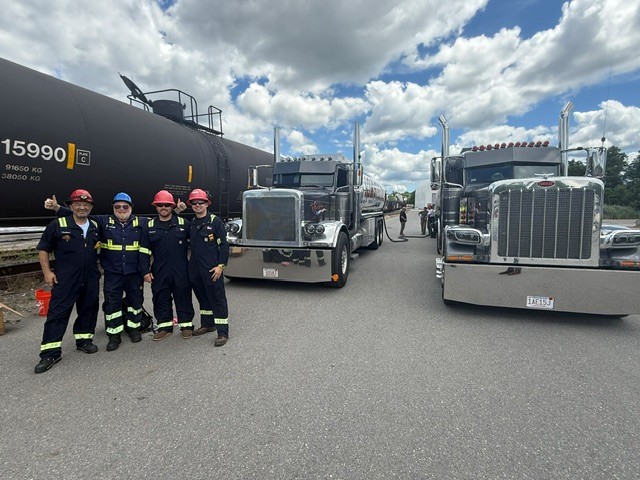
Recently, behind the scenes in Worcester, Massachusetts, three AmSpec inspectors participated in an intensive CFR 49 Rail Safety and Hazardous Materials Training program. While clients often see the final inspection results, this specialized training is one of the many ways AmSpec invests in the people, certifications, and expertise required to safely perform rail inspection services across the oil and gas supply chain.
From railcar sampling and hazardous materials handling to FRA inspections and Non-Accident Release (NAR) prevention, the session reinforced the technical skills and safety-first mindset that help our teams deliver reliable service every day.
Why CFR 49 Training Matters
Rail transportation remains one of the most important modes of transporting crude oil, refined petroleum products, chemicals, renewable fuels, LPG, and other hazardous commodities throughout North America. Because AmSpec inspectors work within rail facilities, terminals, short-line railroads, and Class I railroad operations, they must meet stringent training and certification requirements before performing inspection, quantity and quality (Q&Q), sampling, gauging, and compliance-related activities.
The training is based on 49 CFR, the Code of Federal Regulations governing the transportation of hazardous materials in the United States. Mandated by the U.S. Department of Transportation (DOT), this certification is required for employees involved in handling, shipping, or transporting hazardous materials.
The program serves two critical purposes:
- Ensuring personnel understand and apply proper safety standards, personal protective equipment (PPE), and rail-specific operating procedures.
- Providing the technical knowledge required to safely open, sample, inspect, and close railcar valves and fittings without causing a Non-Accident Release (NAR).
A Non-Accident Release occurs when hazardous material escapes from a railcar despite no accident, such as a derailment, having taken place. These incidents are often linked to improperly secured fittings, valves, or closures.
By properly training inspectors to open and close fittings safely during sampling activities, AmSpec can help clients reduce operational delays while avoiding the need for additional terminal personnel to perform these tasks. This creates efficiencies while maintaining the highest standards of safety and compliance.
Training Objectives
The primary goal of the training is to ensure inspectors can safely operate in rail environments while effectively handling hazardous materials.
Key objectives include:
Safety Awareness
- Identifying and mitigating rail yard hazards.
- Preventing slips, trips, and falls.
- Safely navigating rail facilities and moving around tank cars.
- Proper use of fixed safety appliances such as ladders, walkways, handrails, and safety platforms.
Hazardous Materials Handling
- Safe sampling and gauging procedures.
- Understanding hazardous material risks and controls.
- Correct handling of railcar equipment and fittings.
Prevention of Non-Accident Releases
- Proper opening and closing of valves, manways, air vents, and liquid lines.
- Conducting inspections to ensure fittings are secured and compliant.
- Following approved procedures to prevent product releases.
Safe Equipment Management
- Proper transportation and handling of tools and equipment.
- Use of backpacks and other methods that allow inspectors to maintain three points of contact while climbing ladders and accessing elevated work areas.
Key Topics Covered
The CFR 49 training program includes comprehensive instruction on:
Personal Protective Equipment (PPE)
Inspectors receive training on the proper use of:
- Hard hats
- Safety glasses
- Protective gloves
- Safety footwear
- High-visibility reflective clothing
- Fall protection systems and safety harnesses
Rail Yard Hazard Awareness
Participants learn to identify and safely work around:
- Moving rail equipment and vehicles
- Slippery surfaces
- Railroad tracks, wooden ties, and ballast
- Hoses, cables, and other trip hazards
- Poor housekeeping conditions and improperly stored materials
Proper Tooling Techniques
Training covers the correct use of specialized tools for:
- Opening and closing air vents
- Accessing liquid lines
- Operating manways and valves
- Venting and sampling hazardous materials safely
- Preventing hand, foot, head, and body injuries
FRA Inspections and Compliance
Inspectors are trained to perform inbound and outbound Federal Railroad Administration (FRA) inspections, helping identify issues that could lead to non-compliance or Non-Accident Releases.
Supporting Regulatory Compliance Across the Supply Chain
Rail transportation plays a critical role in moving crude oil, refined products, renewable fuels, chemicals, and other hazardous commodities. Maintaining compliance with requirements established by the DOT, Federal Railroad Administration (FRA), and Pipeline and Hazardous Materials Safety Administration (PHMSA) is essential for both safety and operational continuity.
Through ongoing training and certification programs, AmSpec inspectors remain current with industry regulations and best practices, enabling our teams to support clients with confidence while operating in complex rail environments.
Expanding Rail Safety Expertise Across AmSpec
The Worcester training session is part of a much larger AmSpec Rail Training Program that supports locations handling significant volumes of rail-related inspection services.
To date, AmSpec has trained and certified 49 inspectors across key operational regions, including:
- Brownsville, Texas
- Corpus Christi, Texas
- Venice, Illinois
- Cape May, New Jersey
- Camden, New Jersey
- St. Marys, Georgia
These certifications help ensure consistent safety practices and service quality across our rail operations nationwide.
Delivering Value to Our Clients
Safety remains the foundation of everything we do. By investing in specialized rail safety training, AmSpec strengthens its ability to serve clients operating throughout the oil, gas, and transportation sectors.
The benefits include:
- Reduced operational risk and improved workplace safety.
- Enhanced regulatory compliance.
- Greater operational flexibility and efficiency.
- Faster service delivery without reliance on additional terminal personnel.
- Expanded capabilities that allow AmSpec to perform a broader range of rail-related inspection services.
- Improved protection of people, assets, products, and the environment.
Most importantly, these certifications support our commitment to delivering reliable, high-quality inspection services while maintaining the highest standards of safety and professionalism.
Learn More About AmSpec’s Rail Expertise
AmSpec’s Rail Services Division supports clients throughout the supply chain with comprehensive railcar inspection, sampling, quantity and quality verification, loading supervision, and compliance-focused services.
Learn more about our Rail Services capabilities: https://www.amspecgroup.com/sectors/special-services/railcar-services/.
Watch our Pressure Tank Car Sampling Demonstration: https://www.youtube.com/watch?v=ueMhsEtGG-k.
For questions regarding AmSpec Rail Services or railcar inspection support, contact our team at: RailCars@AmSpecGroup.com.
Safety First. Every Task. Every Facility. Every Day.